
Canadians are feeling the impacts of climate change close to home…
Are we feeling the solutions close to home as well?
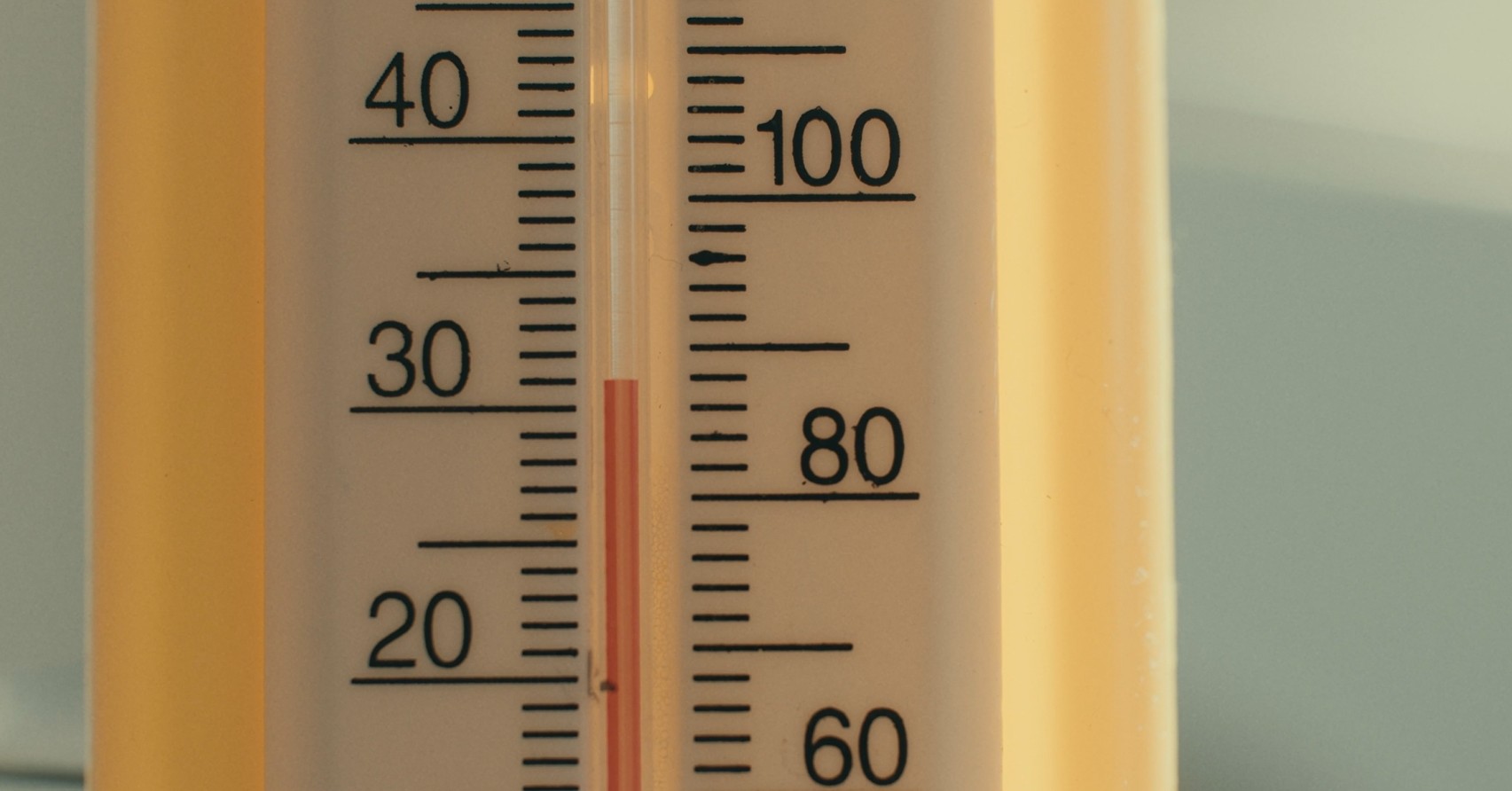
In recent years, millions of people across Canada have directly experienced the impacts of climate change for the first time: devastating flooding, extreme heat waves that took hundreds of lives, and giga-fires and smoke that created the worst air quality in the world. At the same time communities are also dealing with housing, affordability, and inequity crises.
The challenges to fixing all these issues are real. But the most impactful solutions are also real and local. We are not talking about those solutions enough.
We asked leaders on the frontlines facing climate change: what are some of the solutions you see as most beneficial, realistic, and relevant to the communities that are hit hardest by the impacts of climate change?
This video series features their insights into how local solutions can benefit our urban communities.
Thank you
Thank you to Dr. Eileen de Villa (former Medical Officer of Health for the City of Toronto), Joyce Chau (Evergreen Canada), Aaron Barter (Waterfront Toronto), Amanda O’Rourke (8-80 Cities), and John Stille (Toronto and Region Conservation Authority) for generously sharing their time and experiences.
What is a Mini Forest?
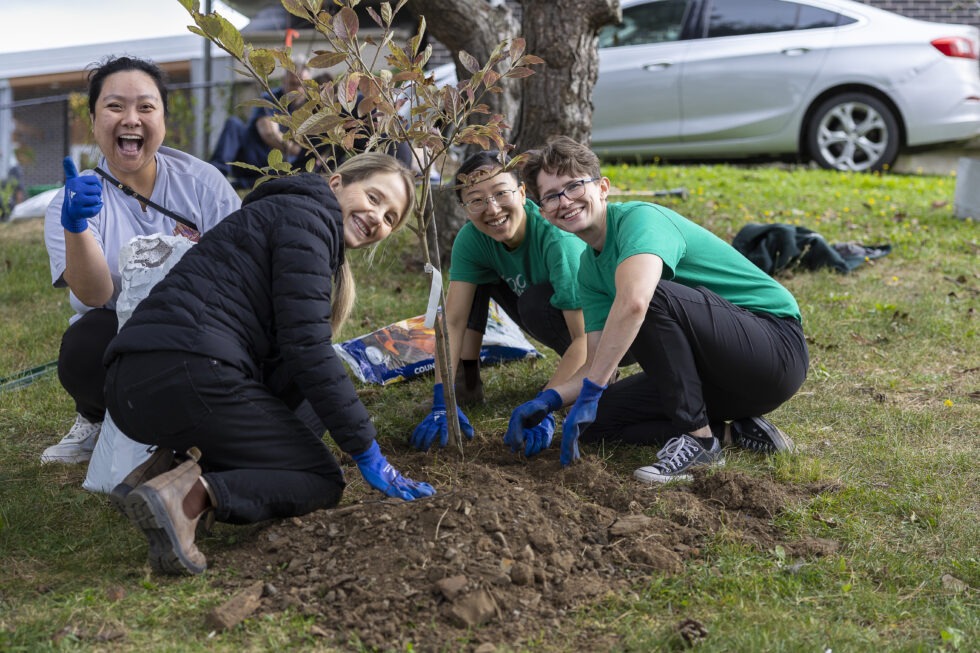
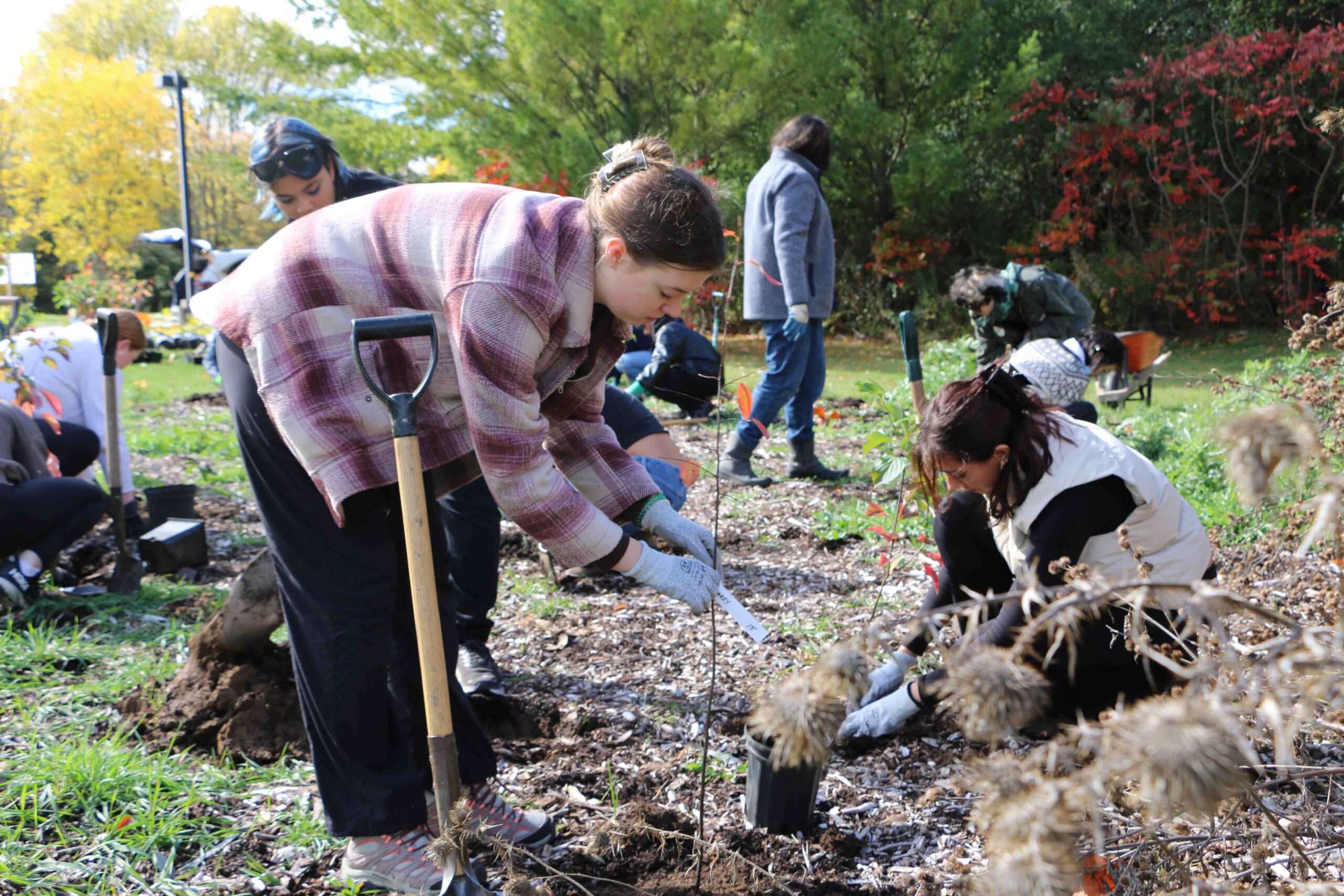
A mini forest — also known as a micro forest or tiny forest — is a community of native trees and shrubs planted closely together in an urban or suburban site based on the Miyawaki method. The method emphasizes the use of dense plantings: many different locally-native species are arranged in a tight multi-layered design that mimics the complexity of a native forest. With thoughtful soil preparation, this technique results in taller plants in a shorter time period.
Mini forests provide a variety of ecosystem services that offer both environmental and social benefits. From reducing air pollution to increasing biodiversity, and providing necessary habitat for wildlife, these small plots can have a big impacts on their local environments. They provide much-needed green spaces for people to enjoy, offering mental health benefits and improving air quality. Mini forests also help reduce runoff, prevent flooding and mitigate the urban heat island effect.
Green Infrastructure Project Map
We are advancing mini forests and other forms of green infrastructure and nature-based solutions in communities across Canada.
View All Projects
City of Guelph Mini Forest Installation
City of Richmond Mini Forest Installation
City of Markham Mini Forest Installation (Milne Conservation Area)
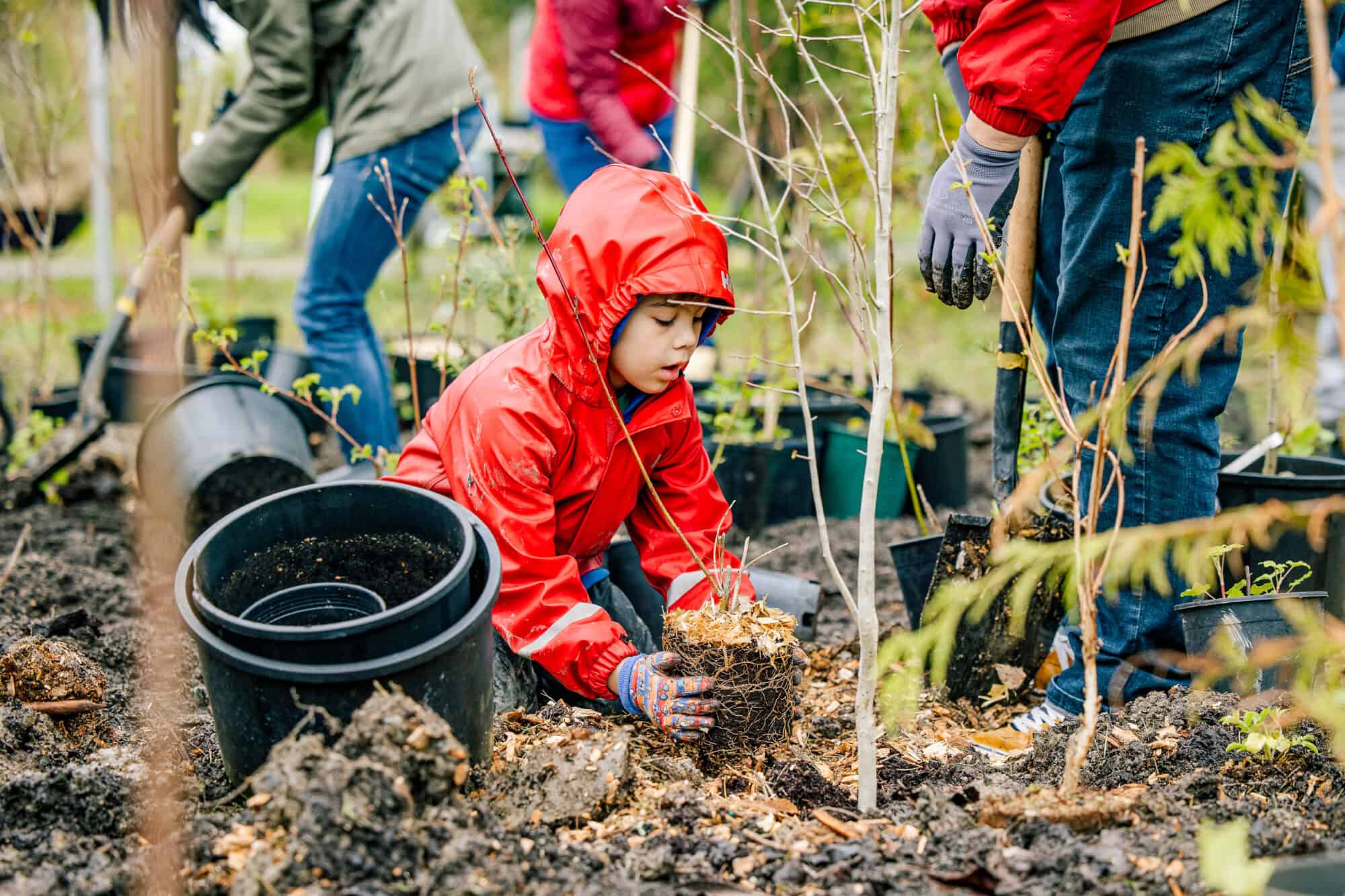
About Green Communities Canada and our work in nature-based solutions
Since 1995, Green Communities Canada has been leading a community-based climate action movement for transformative, equitable, and lasting change.
Green Communities Canada has been working on nature-based solutions and green infrastructure in various capacities for over 15 years. We have lead award-winning community-based programming like Depave Paradise and Rain Community Solutions.
In 2021 we launched the Living Cities Canada program with the goal of supporting policy change in cities across the country to advance green infrastructure.
Together with our funders and partners, we are transforming the landscape of Canadian cities from grey to green.
In 2025 our Living Cities Canada Fund achieved these impacts:

Funding for this video series was provided by:
 Definity Insurance
 RBC Foundation